Uphold vs Coinbase: Fees, Assets, and Which to Choose
Uphold and Coinbase target different traders: one emphasizes multi-asset trading including XRP, the other a conventional exchange interface. This comparison breaks down where each platform fits.
Reviews and comparisons of cryptocurrency exchanges.
Reviews and comparisons of cryptocurrency exchanges.

Uphold and Coinbase target different traders: one emphasizes multi-asset trading including XRP, the other a conventional exchange interface. This comparison breaks down where each platform fits.
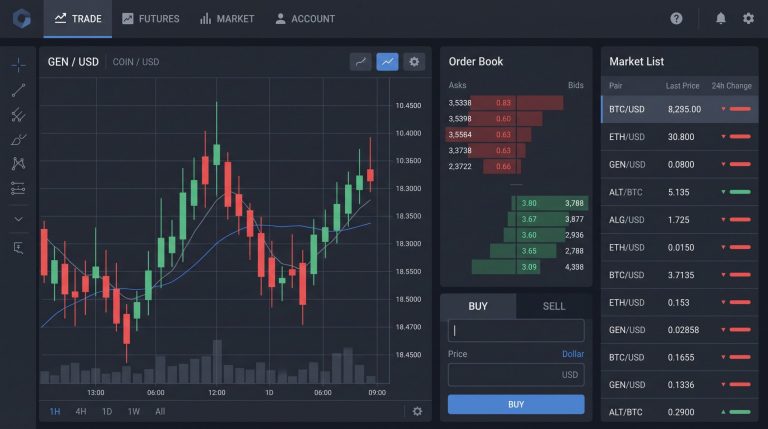
Bybit’s Service Agreement designates the United States an Excluded Jurisdiction under Section 11.3.
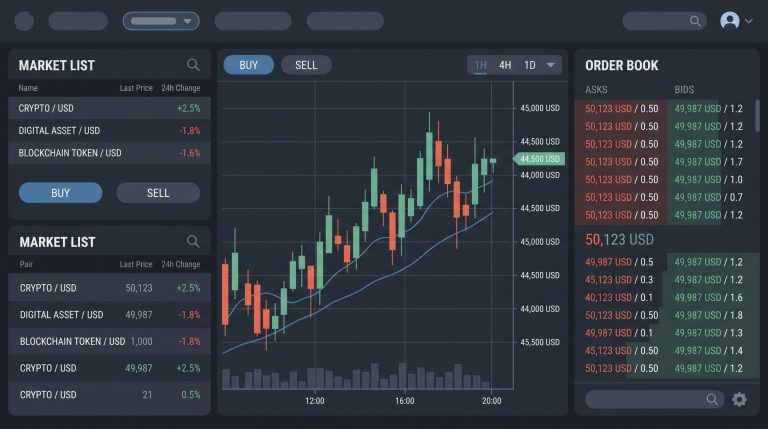
Robinhood Crypto layers digital-asset trading onto a Nasdaq-listed brokerage app, charging up to 1.75% on instant transfers.

Gemini operates as a state-chartered trust company rather than a standard exchange, which shapes its regulatory obligations and security approach.

Coinbase is a dedicated exchange with staking and self-custody options, while Robinhood pairs crypto with stock and options trading.

Coinbase carries a $320 million commercial crime insurance policy on hot, warm, and cold storage assets. This review examines its fees, safety record, and best-fit users.

uphold review explained: fees, security, and what to know before you start.

bitget review explained: fees, security, and what to know before you start.

Kraken, founded in 2011, and Gemini, chartered by NYDFS in 2015, take different approaches to fees and compliance.

Coinbase and Gemini are both regulated, publicly traded exchanges, but differ sharply in insurance structure, audit history, and how each resolved past SEC and state enforcement actions.